5 Signs It’s Time to Replace Your Old Garage Door Opener
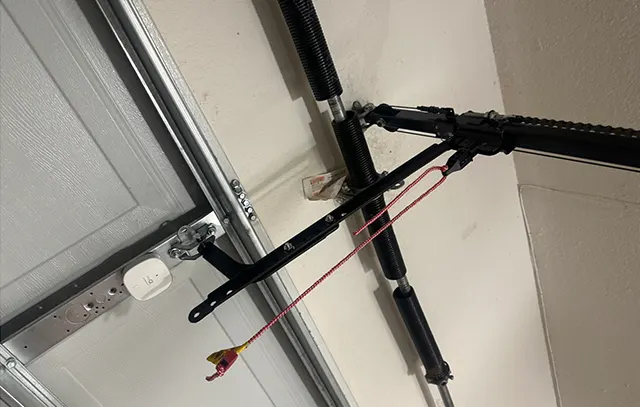
Your garage door opener is one of the hardest working devices in your home. It opens and closes thousands of times per year, but most homeowners never think about it—until it stops working. When that happens, you’re stuck with a non-functional garage door and a security concern.
The good news? You don’t have to wait for a complete breakdown. There are clear warning signs that indicate your garage door opener is nearing the end of its life and needs replacement. Recognizing these signs early allows you to plan for replacement on your schedule instead of facing an emergency when your door gets stuck.
At Imperial Garage Door Repair, we’ve helped hundreds of homeowners upgrade outdated and failing openers. In this guide, we’ll walk you through the five most common signs that your opener needs replacing, what causes premature failure, and what to expect during the replacement process.
What's the Lifespan of a Garage Door Opener?
Most garage door openers last 10-15 years with regular maintenance. Some premium models last up to 20 years. However, several factors can shorten this lifespan:
- Frequency of use: Doors that open/close 10+ times daily wear out faster
- Maintenance: Openers that receive regular tune-ups last longer
- Climate: Extreme heat, cold, or humidity accelerates component degradation
- Power surges: Electrical issues can damage circuit boards prematurely
- Quality: Budget openers fail faster than premium models
- Accidents: Impacts or strain from heavy doors accelerate failure
If your opener is approaching 10 years old or showing any of the following signs, it’s time to consider replacement.
Sign #1: Your Opener Makes Loud, Unusual Noises
What These Noises Mean
Grinding sounds: Usually indicate worn gears inside the motor unit. As gears wear, they no longer mesh smoothly, creating grinding friction. This typically signals the opener is nearing failure.
Squealing or squeaking: Often caused by worn bearings or lack of lubrication. While sometimes a tune-up with proper lubrication solves this, persistent squealing after lubrication indicates bearing wear.
Banging or clanking: Usually indicates loose components inside the motor unit. The internal parts are literally bumping against each other as the motor operates.
Humming without movement: A serious red flag. The motor is trying to operate but lacks the power to move the door. This indicates motor burnout or a severely worn gear train.
Popping sounds: Can indicate electrical issues or failing capacitors inside the opener unit.
When Noise Means Replacement
If your opener is making unusual noises, start with a professional tune-up. A technician can diagnose the specific issue. However, if the noise continues after tune-up or if the noise is accompanied by other signs on this list, replacement is likely necessary.
Pro tip: Record a video of the noise on your phone and share it with the technician. This helps them diagnose the problem more quickly.
Sign #2: Your Garage Door Moves Slowly or Operates Inconsistently
What Causes Slow Operation
Worn internal components: As gears, bearings, and motors age, they create more friction, requiring more effort to operate the door.
Garage door weight issues: If springs are worn or misaligned, the opener must work harder to lift the door. The opener compensates by slowing down.
Lack of lubrication: Dry, unlubricated tracks and rollers create excessive friction, forcing the opener motor to work overtime.
Declining motor power: Older motors gradually lose power as internal components wear. The motor still functions but can’t maintain consistent speed.
Why Slow Operation Matters
When to Replace
Sign #3: Your Remote Control Doesn't Work, Even With New Batteries
Why Remotes Fail
Dead receiver batteries: Some openers have backup batteries for the receiver. If these die, the receiver can’t function.
Receiver circuit board failure: The receiver (the component that accepts signals from your remote) can fail due to age, power surges, or electrical issues.
Interference: Modern environments have more radio interference from WiFi, cell towers, and other devices. Older openers may not have adequate shielding.
Aging components: Over time, electronic components in the receiver degrade and stop functioning reliably.
Troubleshooting Before Replacement
Before assuming your opener needs replacement, try these steps:
- Replace remote batteries with fresh alkaline batteries
- Reprogram the remote using the opener’s manual
- Try using a different remote (borrow from a neighbor with the same model)
- Check that the wall-mounted button works (this bypasses the remote receiver)
- Verify the power outlet has electricity If the wall-mounted button works but no remotes do, the receiver is likely faulty.
If the wall button also doesn’t work, the problem may be the opener motor itself.
When Remote Failure Means Replacement
Sign #4: Your Garage Door Won't Close All the Way or Gets Stuck
Common Causes
Misaligned safety sensors: Photo-eye sensors on either side of the door detect obstructions and prevent closing. Misalignment or sensor failure causes the opener to stop closing prematurely.
Broken or worn springs: Springs balance the door’s weight. If springs fail, the opener can’t generate enough force to close the heavy door.
Track misalignment: If the door’s track is bent or misaligned, the door physically can’t close.
Faulty limit switches: The opener’s limit switches tell the motor when to stop. If limit switches fail, the door may stop prematurely or not close at all.
Circuit board malfunction: Electrical failures in the opener’s brain can cause erratic behavior, including refusing to close.
Troubleshooting Steps
- Inspect safety sensors for dirt, damage, or misalignment
- Check for obstructions in the door’s path
- Listen for unusual sounds when attempting to close
- Verify the wall button works the same way as the remote
- Call a professional to diagnose the exact issue
When This Signals Replacement Need
Sign #5: Your Opener Is Visibly Damaged or Shows Signs of Burnout
Visual Warning Signs
Rust or corrosion: Rust indicates moisture has compromised the metal housing. This often means internal components are also corroded.
Burning smell: A burning or electrical smell when operating is a serious red flag indicating electrical failure or overheating.
Cracked or damaged housing: Physical damage to the motor casing usually indicates internal damage as well.
Visible oil leaks: Leaking oil means internal seals have failed and the motor is losing lubrication.
Sparking or electrical arcing: If you see sparks inside the unit, stop using it immediately—this is a fire hazard.
Heat damage: If the casing shows discoloration, warping, or melting from heat, the motor has overheated—possibly multiple times.
Safety Concerns
A damaged opener is a safety risk. Internal electrical failures can create fire hazards. Structural damage can cause the motor unit to fall from the ceiling. If you notice any of these signs, stop using the door and contact a professional immediately.
Don’t attempt to repair a damaged opener yourself. The electrical components are dangerous, and the motor is under high tension. Always hire a licensed professional.
How Often Should You Replace Your Garage Door Opener?
The average replacement interval is 10-15 years. However, the right time to replace depends on your specific situation:
Replace immediately if:
- The opener is completely non-functional
- You see signs of electrical damage or fire hazard
- The motor makes grinding sounds and a tune-up didn’t help
- Multiple failures are occurring simultaneously
Plan replacement within 6-12 months if:
- Your opener is 10+ years old and showing wear signs
- Repair costs are approaching 50% of replacement cost
- You’re experiencing frequent problems requiring multiple service calls
- The motor is slow or inconsistent despite tune-ups
Monitor and maintain if:
- Your opener is less than 8 years old
- A professional tune-up resolved the problem
- This is the first issue you’ve experienced
- The motor still runs smoothly and quietly
Garage Door Opener Replacement: What to Expect
1. Professional Assessment
2. Choosing Your New Opener
Modern garage door openers come in three main types:
Chain drive: Most affordable ($150-$400), noisier, reliable and popular. Best for attached garages where noise isn’t a concern.
Belt drive: Mid-range ($200-$600), quieter than chain, smoother operation. Best for garages adjacent to living spaces.
Screw drive: Premium option ($300-$800), quietest, requires fewer moving parts, lowest maintenance. Best for high-use situations or when silence is important.
Additional features to consider: WiFi connectivity, backup battery, smart home integration, safety sensors.
3. Professional Installation
A proper installation includes:
- Removing your old opener
- Installing the new motor unit and rail
- Connecting all wiring and safety sensors
- Programming remotes Testing all functions thoroughly
- Explaining operation and maintenance
Professional installation typically takes 2-4 hours and costs $200-$400 in labor.
4. Testing and Warranty
Cost of Garage Door Opener Replacement
Total replacement cost typically ranges from $300-$1,200, depending on:
- Opener type (chain, belt, or screw drive)
- Brand and features
- Installation complexity
- Your location
- Additional safety features or upgrades
Breakdown:
- Opener unit: $150-$800
- Professional installation: $200-$400
- Misc. parts/wiring: $50-$100
- Sensor upgrade (if needed): $100-$200
Why Choose Imperial Garage Door Repair for Your Opener Replacement?
- Licensed and experienced technicians who diagnose problems accurately
- Quality openers from top brands with competitive pricing
- Professional installation that's done right the first time
- Honest assessment - we tell you when repair makes sense and when replacement is the better choice
- Warranty coverage on parts and labor
- Same-day service available for emergencies
- Free estimates so you know the cost upfront
Don't Wait for a Complete Breakdown
If your garage door opener is showing any of these five warning signs, the time to act is now. Waiting for complete failure is inconvenient, potentially unsafe, and often costs more when you need emergency service.
Schedule a professional inspection with Imperial Garage Door Repair today. We’ll assess your opener’s condition, explain your options, and help you make the best decision for your home and budget.
A new garage door opener is an investment in your home’s security, safety, and convenience. Don’t let an aging opener leave you stranded.
Contact Imperial Garage Door Repair for a free opener assessment and replacement estimate. We're here to help!
This article is for informational purposes only. Always consult with a licensed professional for garage door repair and replacement. Garage door systems contain high-tension components that can cause serious injury if mishandled. Never attempt repairs yourself.
Get A Free Consultation Today!
Have a garage door problem? Let us know and we’ll take care of the rest.
Table of Contents
Replacing a garage door is one of the best investments you can make for your home. Not only does it boost curb appeal, but it also improves security, energy efficiency, and property value. Still, most homeowners ask the same question first: how much does a new garage door cost in 2025?
The answer depends on several factors, from the type and size of the door to the material and installation complexity. This guide breaks down the garage door replacement cost in detail, giving you clear insights into what you should expect.
Average Garage Door Replacement Cost in 2025
On average, the cost to replace a garage door in the United States ranges from $1800 to $3000, including labor and materials. Standard single doors often fall on the lower end, while larger or custom doors can cost much more.
According to the 2025 Cost vs. Value Report, garage door replacement remains one of the top home improvement projects for return on investment, with homeowners recouping over 100% of the project cost in added home value.
Cost Breakdown by Material
The material you choose has the largest impact on the garage door replacement price. Here’s what you can expect:
- Steel: $2000 – $4000. Durable, secure, and affordable, steel is the most common option.
- Aluminum: $1500 – $4000.. Lightweight and rust-resistant, though prone to dents.
- Wood: $2,500 – $7,000. Elegant and traditional, but requires ongoing maintenance.
- Faux Wood: $1,500 – $4,000. Mimics real wood without the high upkeep.
- Glass / Full View: $6000 – $12000. Modern look, great for natural light, higher price.
- Vinyl or Composite: $2100 – $3300. Low maintenance, strong against weather.
Cost by Size and Style
The size and design of your garage door also affect installation costs.
- Single Garage Door (8–10 ft.): $1,200 – $3,000.
- Double Garage Door (16–18 ft.): $2,000 – $5,000+.
- Custom Sizes / Oversized Doors: $3,500 – $10,000+.
- Carriage Style or French Doors: Typically higher due to design complexity.
- Insulated Doors: Add $300 – $800 more, but improve energy efficiency.
If you’re replacing a 2-car garage door, expect to pay more due to the size, material needs, and labor.
Additional Cost Factors
When budgeting for your garage door installation cost, keep these extras in mind:
- Labor & Installation: $300 – $800, depending on complexity.
- Garage Door Opener Replacement: $450 – $800 if needed.
- Windows & Decorative Features: $200 – $1,000+.
- Removal & Disposal of Old Door: $100 – $250.
- Permits (if required): $50 – $200.
- Electrical Wiring: Extra if your garage needs upgrades for automation.
Repair vs. Replacement: Which Is Right for You?
Sometimes repairing makes sense, but other times a full replacement is the smarter move.
Consider replacement if:
- Your door is over 15–20 years old.
- Repairs would cost more than half the price of a new door.
- The door is visibly damaged, warped, or unsafe.
- You want better insulation or improved security.
While repairs can fix short-term problems, investing in a new door often saves money in the long run and increases home value.
DIY vs. Professional Garage Door Replacement
While a DIY installation might seem like a way to save money, garage doors are heavy, complex, and potentially dangerous to handle. Incorrect installation can lead to accidents, void warranties, or cause costly damage.
Hiring a professional garage door installer ensures:
- Safe and secure setup.
- Compliance with local building codes.
- Warranty protection.
- Long-lasting performance.
How to Save Money on Garage Door Replacement
Want to lower your garage door replacement price without cutting corners? Here are a few tips:
- Choose a standard size instead of custom.
- Go with steel or faux wood for durability and value.
- Skip unnecessary decorative upgrades.
- Compare quotes from multiple trusted companies.
- Schedule installation in the off-season for better deals.
FAQs About Garage Door Replacement Cost
How much does a new garage door cost in 2025?
Most homeowners spend between $1,200 and $5,000, depending on size, material, and features.
What is the cheapest type of garage door?
Basic single steel garage doors are the most affordable, starting around $800.
Does a new garage door increase home value?
Yes. National studies show a 100%+ ROI, making it one of the best home improvement projects.
How long does installation take?
Most professional installations take 4–6 hours, depending on the door type and removal needs.
Can I replace just the panels instead of the whole door?
In some cases, yes—but if the door is old or multiple panels are damaged, a full replacement is more cost-effective.
Professional Garage Door Replacement in Texas
If you’re in Allen, Plano, Frisco, or the North Texas area, Imperial Garage Door Repair is here to help. Our expert team provides fast, reliable, and affordable garage door replacement services tailored to your needs.
From standard steel doors to custom wood designs, we ensure your new garage door is installed safely, looks great, and lasts for years.
📞 Call Imperial Garage Door Repair today for a free quote and same day service in Allen and surrounding areas.
Imperial Overhead Garage Door Repair
Provides reliable installation, repair, and maintenance services for residential and commercial garage doors, ensuring smooth operation and enhanced security.
Our Services
Offices
- Blue Ridge, TX
- 10231 Co Rd 670, Blue Ridge, TX 75424
- 469-956-6391
Copyright © 2025 Imperial OGDR. All Rights Reserved.
ImperialOGDR@gmail.com | Open 24 Hours | Sat-Sun: By appointment only