How Long Do Garage Door Springs Actually Last? A Homeowner's Guide
What Does "Cycle Life" Actually Mean?
When shopping for garage door springs, you’ll often see manufacturers advertising “10,000 cycles.” This number represents how many complete open-and-close sequences a spring can handle before it typically needs replacement. One cycle equals one full trip up and one full trip down.
Here’s the reality: a 10,000-cycle spring usually provides only 3-5 years of service for an average household. If your family uses the garage door frequently, that timeline shrinks even further. However, premium springs rated for 100,000 cycles are available these can last 10+ years depending on usage patterns and maintenance.
The catch? Not all springs with the same cycle rating perform equally. Cheaper springs made from inferior materials can fail long before their rated cycle life expires, even if they’re technically rated for 10,000 cycles.
Don't Confuse Spring Life With Door Life
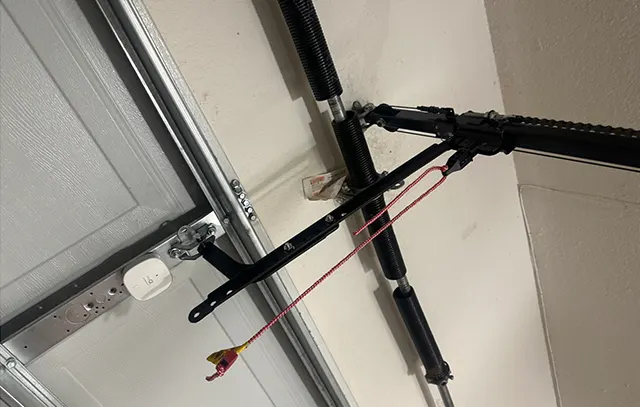
This is a common misconception: thinking that when a spring fails, your entire garage door system is done. That’s not the case. A torsion spring is just one component in a larger system. Your garage door itself the panels, tracks, and hardware can outlast multiple springs over its lifetime.
When a spring reaches the end of its life, you simply replace it and your door continues operating normally. The spring’s cycle life is independent of how long your garage door as a whole will function.
What Really Impacts How Long Your Spring Lasts?
Several factors determine whether your spring reaches its rated lifespan or fails prematurely:
Manufacturing and Storage Quality – Springs that are manufactured and stored in proper conditions perform better. How dealers handle springs before installation affects their durability from day one.
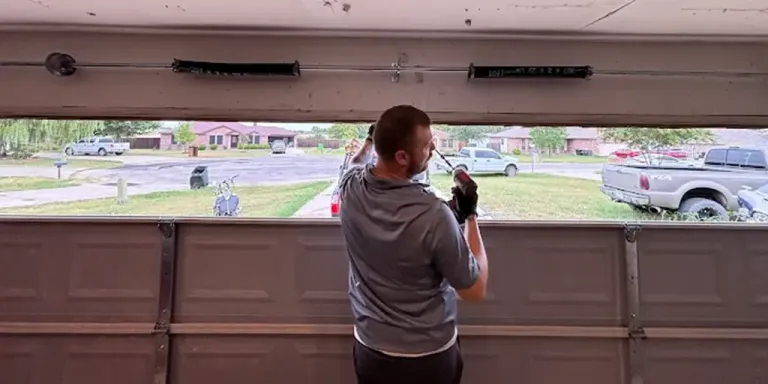
Professional Installation Matters – An improper installation is one of the fastest ways to kill a spring prematurely. Common mistakes include installing the wrong spring type for your door, installing it backwards, or using incorrect hardware. DIY installation or hiring an inexperienced contractor can cut spring life in half.
How You Use Your Door – Aggressive operation, forcing a stuck door, excessive slamming, or leaving the door open for extended periods all place extra stress on the spring. Treating your garage door gently extends spring life significantly.
Weather and Corrosion – Springs exposed to humidity, salt air, or extreme temperature swings experience faster degradation. Rust and corrosion weaken the metal over time, causing premature failure even if the spring hasn’t reached its cycle limit.
Regular Maintenance – Springs that are regularly lubricated and inspected tend to last longer than neglected ones. Preventive care catches small issues before they become major failures.
Why Spring Failure Matters (Safety Alert)
A broken torsion spring isn’t just an inconvenience it’s a safety hazard. Here’s what can happen:
When a spring snaps while you’re using the door, the counterbalance system fails and the heavy door can drop suddenly. This can damage property, injure someone nearby, or trap a vehicle or person underneath. A falling garage door weighs 300-500 pounds and falls with significant force.
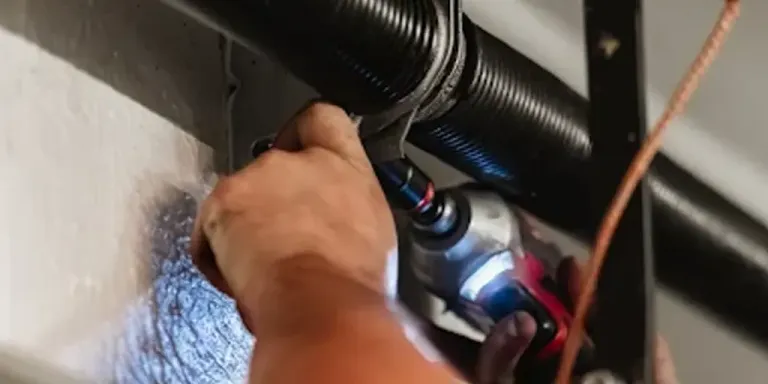
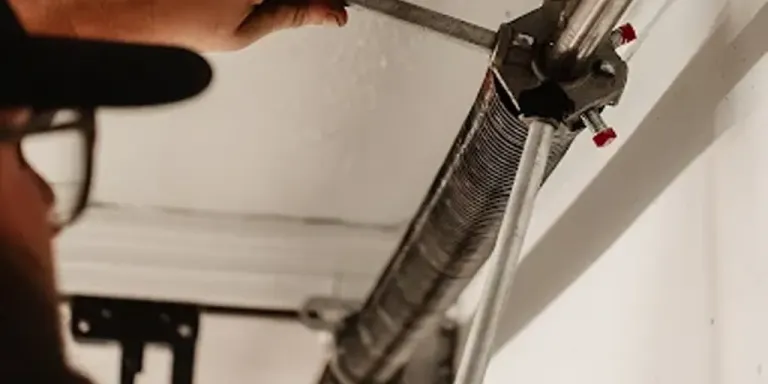
The second danger comes from well-meaning homeowners trying to fix the problem themselves. Torsion springs are under extreme tension they hold hundreds of pounds of force compressed in the coil. Attempting to repair or adjust a spring without proper tools and training can cause it to snap violently, causing serious injury or death.
Always hire a licensed professional for spring repairs. This isn’t negotiable.
Maximizing Your Spring's Lifespan
Want to get the most life out of your garage door springs? Follow these steps:
Choose Quality from the Start – Work with a reputable installer who uses high-quality springs. Springs rated for 100,000 cycles are worth the extra investment compared to budget 10,000-cycle options. The difference in cost is minimal compared to the extra years of reliable service.
Operate Your Door Normally – Avoid forcing a stuck door, don’t hold the remote button down, and don’t park under an opening door. Simple, gentle operation extends spring life considerably.
Keep Springs Clean and Lubricated – Have your springs inspected and lightly lubricated annually. This prevents rust and keeps the mechanism running smoothly.
Watch for Warning Signs – If your door becomes hard to open, makes unusual noises, or moves unevenly, contact a professional immediately. These are signs your spring may be failing and needs attention before complete failure occurs.
Schedule Regular Maintenance – Annual garage door maintenance from a professional can identify issues early and extend the life of all components, including springs.
The Bottom Line
When your spring does need replacing and eventually it will treat it as an opportunity to upgrade to a better-quality option. Your garage door will thank you with years of smooth, reliable performance.
Have questions about your garage door spring? A qualified garage door technician can inspect your system and recommend the best replacement options for your home.
Get A Free Consultation Today!
Have a garage door problem? Let us know and we’ll take care of the rest.
Table of Contents
Imperial Overhead Garage Door Repair
Provides reliable installation, repair, and maintenance services for residential and commercial garage doors, ensuring smooth operation and enhanced security.
Our Services
Copyright © 2025 Imperial OGDR. All Rights Reserved.
ImperialOGDR@gmail.com | Open 24 Hours | Sat-Sun: By appointment only