Belt vs Chain vs Screw: Choosing the Right Garage Door Opener for Your Home
Choosing a new garage door opener is more complicated than most homeowners realize. It’s not just about picking the cheapest option—the type of opener you select affects noise levels, durability, maintenance requirements, and long-term costs for years to come.
If you’re in the market for a garage door opener replacement, you’ve likely encountered three main options: chain drive, belt drive, and screw drive. Each has distinct advantages, disadvantages, and price points. Understanding the differences helps you make an informed decision that matches your specific needs and budget.
At Imperial Garage Door Repair, we help homeowners select the right opener for their home every day. In this comprehensive guide, we’ll break down each type, compare performance, discuss costs, and help you determine which is best for your situation.
The Three Main Garage Door Opener Types
Chain Drive Openers: The Budget-Friendly Workhorse
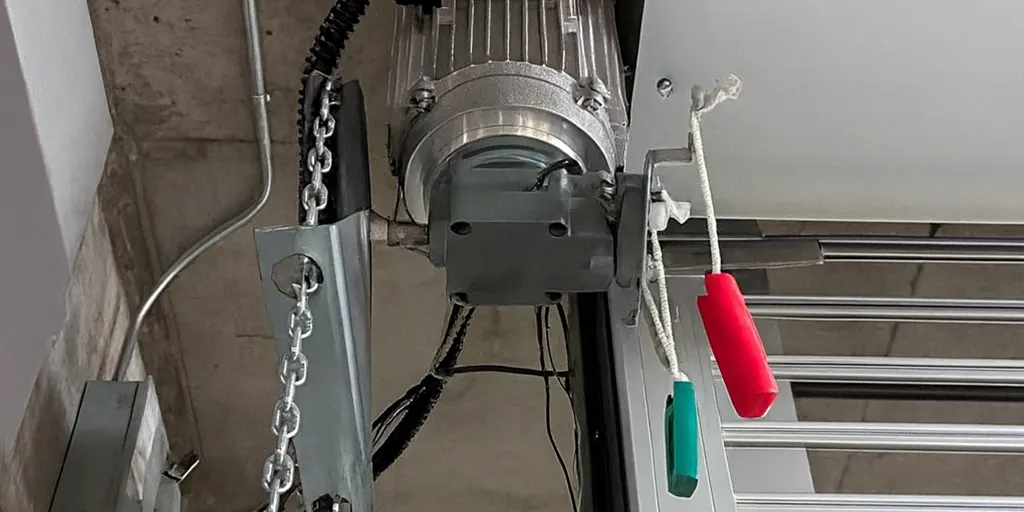
How it works: A chain drive opener uses a metal chain (similar to a bicycle chain) that loops around a sprocket and pulls the trolley along a rail to open and close the door.
Price range: $150–$400 (most affordable option)
Noise level: Loud—typically 70-80 decibels (comparable to a lawnmower)
Lifespan: 10-15 years with maintenance
Maintenance: Regular lubrication of chain and moving parts; occasional adjustment of chain tension
Advantages of Chain Drive Openers
- Most affordable: Entry-level price point makes them attractive for budget-conscious homeowners
- Reliable and proven: Chain drive technology has been used for decades—it's well-understood and dependable
- Powerful: Handles heavy doors well; excellent for thick, insulated garage doors
- Durable: Metal construction holds up well to heavy use (10,000+ cycles per year)
- Easy repair: Simple mechanics mean repair technicians everywhere can fix them; parts are widely available and inexpensive
- Forgiving of neglect: Chain drives tolerate occasional missed maintenance better than other types
Disadvantages of Chain Drive Openers
- Very noisy: The primary complaint; chains rattle and clang constantly
- Vibration: Metal chain creates vibration that transmits through the garage structure
- Regular maintenance required: Chain needs periodic lubrication and tension adjustment
- Chain wear: Over time, chains stretch and require adjustment or replacement ($100-$200)
- Annoying in attached garages: If your garage is attached to your home, noise penetrates into living spaces
- Not ideal for apartments: Poor choice if you share walls with neighbors
- Messy: Chain lubricant attracts dust and dirt; periodic cleaning is needed
Best For Chain Drive:
- Budget-conscious homeowners
- Detached garages (noise is less of a concern)
- Commercial or industrial applications
- Heavy-use scenarios (10+ door cycles daily)
- Homeowners who don’t mind noise and maintenance
Belt Drive Openers: The Quiet Middle Ground
How it works: A belt drive opener uses a reinforced rubber belt (similar to a car’s serpentine belt) that pulls the trolley along the rail. The belt is quieter than a chain but provides similar pulling power.
Price range: $200–$600 (mid-range option)
Noise level: Quiet—typically 45-55 decibels (similar to normal conversation)
Lifespan: 12-17 years with maintenance
Maintenance: Occasional inspection; less frequent maintenance than chain drives
Advantages of Belt Drive Openers
- Quiet operation: The primary advantage; significantly quieter than chain drives
- Smooth operation: Belt drives operate smoothly with minimal vibration
- Less maintenance: Belts require less frequent lubrication and adjustment than chains
- Clean operation: No chain lubricant mess; less dirt accumulation
- Great for attached garages: Noise won't disturb living spaces or neighbors
- Reliable: Proven technology; fewer moving parts than chain drives
- Good value: Mid-range price for significant noise reduction
- Handles most doors: Suitable for standard residential garage doors and light commercial applications
Disadvantages of Belt Drive Openers
- Belt wear: Belts deteriorate over time (typically 10-15 years) and require replacement ($200-$400)
- Less powerful than chain: Struggles with extremely heavy doors or thick insulated doors; not ideal for commercial use
- Belt replacement is more expensive: While less frequent than chain maintenance, replacement costs more
- Spring tension issues: Belts can slip if door springs are worn or unbalanced
- Temperature sensitivity: Some belts are sensitive to extreme cold and can lose efficiency
- Less tolerant of neglect: Requires consistent maintenance; falls apart faster if neglected
- Mid-range price: More expensive than chain but not significantly quieter than some screw drives
Best For Belt Drive:
- Homeowners prioritizing quiet operation
- Attached garages (especially those adjacent to bedrooms)
- Multi-family properties or condos
- Standard residential doors
- Those wanting a balance between cost and quiet operation
- Apartments with shared walls
Screw Drive Openers: The Premium Quiet Solution
How it works: A screw drive opener uses a rotating steel rod (screw) that moves the trolley along the rail. As the screw rotates, it advances or retracts the trolley with direct mechanical force.
Price range: $300–$800 (premium option)
Noise level: Very quiet—typically 40-50 decibels (quieter than normal conversation)
Lifespan: 15-20 years with maintenance
Maintenance: Minimal; primarily annual lubrication and inspection
Advantages of Screw Drive Openers
- Quietest operation: The quietest option available for residential garage doors
- Fewer moving parts: Simpler design means fewer components to wear out and fail
- Lowest maintenance: Minimal lubrication needed; very little adjustment required
- Longest lifespan: Can last 15-20 years under normal conditions
- Most durable: Robust construction; handles heavy use exceptionally well
- Excellent for cold climates: No belt sensitivity to temperature extremes
- Superior reliability: Fewer maintenance visits needed over the door's lifetime
- Best long-term value: While expensive upfront, lower maintenance costs offset the price premium
- Ideal for attached garages: Silent operation won't disturb anyone in your home
- Ideal for attached garages: Silent operation won't disturb anyone in your home
Disadvantages of Screw Drive Openers
- Highest upfront cost: Premium price ($300-$800+) vs. other options
- Requires proper lubrication: Screw needs annual lubrication to function smoothly (though minimal compared to others)
- Less powerful than chain: Not ideal for extremely heavy commercial doors
- Sensitivity to misalignment: Requires precise door balance; won't operate smoothly if door is misaligned
- Fewer repair technicians familiar with them: While becoming more common, not every technician has experience with screw drives
- Replacement screw assembly is expensive: If screw is damaged, replacement can cost $300-$600
- Not suitable for extremely heavy loads: While powerful, chain drive is still better for industrial-weight doors
Best For Screw Drive:
- Homeowners prioritizing quiet, low-maintenance operation
- Master bedrooms near garage doors
- Premium homes where noise is a concern
- High-use residential applications
- Cold climate regions
- Homeowners planning to stay in their home long-term
- Those who value durability and reliability over upfront cost
| Feature | Chain Drive | Belt Drive | Screw Drive |
|---|---|---|---|
| Price | $150–$400 | $200–$600 | $300–$800 |
| Noise Level | 70–80 dB (Loud) | 45–55 dB (Quiet) | 40–50 dB (Quietest) |
| Maintenance | High (monthly) | Moderate (quarterly) | Low (annual) |
| Lifespan | 10–15 years | 12–17 years | 15–20 years |
| Power Output | Highest | Good | Good |
| Best for Heavy Doors | Yes | Moderate | Moderate |
| Reliability | Excellent | Very Good | Excellent |
| Ease of Repair | Easy | Moderate | Moderate |
| Dust / Mess | High (chain lube) | Low | Very Low |
| Temperature Sensitivity | Low | Moderate | Low |
| Ideal Location | Detached garage | Attached garage | Attached garage |
Choosing the Right Opener: Key Decision Factors
1. Garage Location
Attached garage (connected to your home)?
- Choose: Belt or Screw drive
- Noise will travel into your home. Chain drive noise is unacceptable for most people. Belt or screw drive keeps peace in your home.
Detached garage?
- Choose: Any option based on budget and preference
- Noise won’t bother you or neighbors. Any type works.
2. Door Weight
Standard residential door (typical weight 300-500 lbs)?
- Any option works
- All three types handle standard doors easily
Heavy, insulated door (600+ lbs)?
- Chain drive is superior
- Chain’s raw power handles heavy doors more reliably
- Belt and screw drives work but may strain
3. Daily Usage Frequency
Light use (1-3 cycles daily)?
- Belt or screw drive
- Lower maintenance needs make sense for infrequent use
Moderate use (3-10 cycles daily)?
- Any option works
- All types handle typical residential usage
Heavy use (10+ cycles daily or commercial)?
- Chain drive
- Best durability for high-cycle applications
- Most forgiving of frequent use
4. Noise Sensitivity
Noise doesn’t bother you?
- Chain drive saves money
- No need to pay for quiet technology
Noise is a problem?
- Belt drive minimum, screw drive ideal
- Peace of mind is worth the investment
Noise is critical (bedroom above/beside garage)?
- Screw drive is best choice
- Worth the premium for silent operation
5. Long-Term Ownership Plans
Planning to sell soon (1-3 years)?
- Chain drive is economical
- Less maintenance cost during ownership period
Planning to stay long-term (10+ years)?
- Screw drive makes financial sense
- Lower maintenance costs offset higher upfront price
- Better resale value (quieter, more reliable)
6. Budget Constraints
Tight budget?
- Chain drive is the answer
- Does the job; you can tolerate the noise
Moderate budget?
- Belt drive offers best value
- Quiet enough for most situations; reasonable price
Budget not a primary concern?
- Screw drive is premium choice
- Best experience; lowest long-term costs
7. Maintenance Tolerance
Willing to maintain opener regularly?
- Chain drive is acceptable
- Requires lubrication and adjustment, but very manageable
Prefer minimal maintenance?
- Belt drive is good middle ground
- Occasional inspection; less demanding
Want virtually maintenance-free?
- Screw drive is ideal
- Minimal annual maintenance; maximum hassle-free operation
What About Additional Features?
WiFi Connectivity
Availability: Chain, belt, and screw drive openers all offer WiFi versions
What it does: Allows remote operation and monitoring from smartphone; useful for monitoring door status and granting access to family or service providers
Cost: Typically adds $50-$200 to base price
Worth it? Yes, if you want convenience and monitoring capability
Backup Battery System
Availability: Most modern openers offer this option
What it does: Allows door operation during power outages (usually 10-20 cycles before depleting battery)
Cost: Typically $100-$150
Worth it? Yes if you live in area with frequent power outages
Safety Features
What’s included: Modern openers have improved safety sensors, emergency stop functions, and auto-reverse if obstruction is detected
Worth it? Absolutely—modern safety features are superior to older models
Smartphone Integration
What it does: Control garage door from phone, receive alerts
Cost: Often included with WiFi-capable models
Worth it? Yes if your home has smart home automation
Cost Analysis: Total Cost of Ownership
Chain Drive Total Cost (10-Year Period)
| Cost Category | Amount |
|---|---|
| Opener unit | $200 |
| Installation | $250 |
| Annual maintenance (10 years × $75) | $750 |
| Chain replacement (year 7) | $200 |
| Misc. adjustments/repairs | $300 |
| Total 10-Year Cost | $1,700 |
Belt Drive Total Cost (10-Year Period)
| Cost Category | Amount |
|---|---|
| Opener unit | $400 |
| Installation | $250 |
| Annual maintenance (10 years × $50) | $500 |
| Belt replacement (year 12 — outside period) | — |
| Misc. adjustments/repairs | $150 |
| Total 10-Year Cost | $1,300 |
Screw Drive Total Cost (10-Year Period)
| Cost Category | Amount |
|---|---|
| Opener unit | $500 |
| Installation | $250 |
| Annual maintenance (10 years × $25) | $250 |
| Misc. repairs | $100 |
| Total 10-Year Cost | $1,100 |
Installation and Replacement Considerations
Professional Installation
All three types require professional installation for safety and proper calibration:
Installation cost: $200-$400 depending on complexity
Installation time: 2-4 hours
What’s included:
- Removal of old opener
- Motor unit and rail installation
- Wiring and sensor setup
- Remote programming Safety testing
- Warranty registration
Why professional installation matters:
- Safety sensors must be properly aligned
- Force settings must be calibrated for your door
- Improper installation voids warranty
- Professional ensures smooth, quiet operation
Upgrading From One Type to Another
Can you change from chain to belt drive (or vice versa)?
Yes, but there are considerations:
- Rail compatibility: Some rails are model-specific; might need new rail
- Motor mounting: Different types mount differently; check compatibility
- Cost: Professional installation plus any necessary rail changes
- Recommended: If upgrading, often worth getting professional assessment of total costs
Garage Door Opener Features by Type
Chain Drive Models Include:
- Adjustable force settings
- Emergency backup power (on some models)
- WiFi control (on newer models)
- Rolling code security
- Multiple remote controls
Popular brands: Chamberlain, Craftsman, Wayne Dalton, LiftMaster
Belt Drive Models Include:
- Ultra-quiet operation
- Smooth acceleration/deceleration
- WiFi connectivity (on newer models)
- Safety features and sensors Dual remote capability
Popular brands: LiftMaster, Craftsman, Chamberlain, Genie
Screw Drive Models Include:
- Variable speed operation
- Precision force control
- WiFi capability (newer models)
- Temperature-compensated performance
- Advanced diagnostics
Popular brands: Genie, LiftMaster, Craftsman
Real-World Scenarios and Recommendations
Scenario 1: Budget-Conscious Homeowner, Detached Garage
- Situation: You have a detached garage; noise isn’t an issue; you want the cheapest option
- Recommendation: Chain drive ($150-$400)
- Why: Noise won’t disturb anyone; you’ll save $200-$400 compared to belt drive; reliable and durable for your use case
Scenario 2: Young Family, Attached Garage with Bedroom Above
- Situation: Master bedroom is above garage; you want quiet operation; can spend moderate amount
- Recommendation: Belt drive ($200-$600)
- Why: Significantly quieter than chain (no noise waking family); costs less than screw drive; good balance of quiet and value
Scenario 3: Long-Term Homeowner, Attached Garage, Premium Home
- Situation: You plan to stay in home 15+ years; quiet operation is priority; maintenance should be minimal
- Recommendation: Screw drive ($300-$800)
- Why: Lowest maintenance over time; quietest operation; best durability; premium experience justifies higher upfront cost; will appreciate your choice long-term
Scenario 4: Commercial/Heavy-Use Application
- Situation: Garage door opens/closes 20+ times daily; door is very heavy
- Recommendation: Chain drive ($150-$400)
- Why: Most powerful option; most durable for heavy use; tolerates frequent cycles; easiest to repair if something fails
Scenario 5: Condo/Multi-Family Unit
- Situation: Attached to neighbors; noise is critical; need quiet operation
- Recommendation: Screw drive or premium belt drive
- Why: Shared walls mean noise travels; premium quiet operation prevents neighbor complaints; worth the investment for peace
When to Replace Your Opener
If you’re wondering whether to replace an existing opener, consider:
Replace if:
- Opener is 10+ years old and making noise
- Chain is showing signs of wear or slipping
- Making unusual grinding sounds
- Needing frequent repairs
- Original model lacks modern safety features
Repair if:
- Opener is less than 8 years old
- Single component failure (battery, sensor, etc.)
- Cost of repair is less than 50% of replacement
- Opener still operates smoothly and reliably
Questions About Garage Door Opener Types
Leave the area immediately and call emergency services or poison control. Do not attempt to clean up or stop the reaction. Let professionals handle it. A chemical reaction in your garage is a genuine emergency.
Make Your Decision With Confidence
Choosing the right garage door opener is an important decision that affects your home’s convenience, noise level, and long-term maintenance costs. By understanding the differences between chain, belt, and screw drive options, you can select the opener that best matches your specific situation.
Quick decision tool:
- Detached garage + tight budget? → Chain drive
- Attached garage + moderate budget? → Belt drive
- Attached garage + quiet priority + long-term home? → Screw drive
Ready to upgrade your garage door opener?
At Imperial Garage Door Repair, we specialize in helping homeowners select and install the perfect garage door opener. We offer:
- Free assessment of your current opener and recommendations
- Expert guidance on choosing the right type for your home
- Professional installation with warranty
- Quality products from leading manufacturers
- Same-day service available
- Honest advice—we'll tell you if repair makes sense or replacement is better
Schedule a free consultation with Imperial Garage Door Repair today. Let our experts help you choose the right opener for your home.
Get A Free Consultation Today!
Have a garage door problem? Let us know and we’ll take care of the rest.
Table of Contents
Replacing a garage door is one of the best investments you can make for your home. Not only does it boost curb appeal, but it also improves security, energy efficiency, and property value. Still, most homeowners ask the same question first: how much does a new garage door cost in 2025?
The answer depends on several factors, from the type and size of the door to the material and installation complexity. This guide breaks down the garage door replacement cost in detail, giving you clear insights into what you should expect.
Average Garage Door Replacement Cost in 2025
On average, the cost to replace a garage door in the United States ranges from $1800 to $3000, including labor and materials. Standard single doors often fall on the lower end, while larger or custom doors can cost much more.
According to the 2025 Cost vs. Value Report, garage door replacement remains one of the top home improvement projects for return on investment, with homeowners recouping over 100% of the project cost in added home value.
Cost Breakdown by Material
The material you choose has the largest impact on the garage door replacement price. Here’s what you can expect:
- Steel: $2000 – $4000. Durable, secure, and affordable, steel is the most common option.
- Aluminum: $1500 – $4000.. Lightweight and rust-resistant, though prone to dents.
- Wood: $2,500 – $7,000. Elegant and traditional, but requires ongoing maintenance.
- Faux Wood: $1,500 – $4,000. Mimics real wood without the high upkeep.
- Glass / Full View: $6000 – $12000. Modern look, great for natural light, higher price.
- Vinyl or Composite: $2100 – $3300. Low maintenance, strong against weather.
Cost by Size and Style
The size and design of your garage door also affect installation costs.
- Single Garage Door (8–10 ft.): $1,200 – $3,000.
- Double Garage Door (16–18 ft.): $2,000 – $5,000+.
- Custom Sizes / Oversized Doors: $3,500 – $10,000+.
- Carriage Style or French Doors: Typically higher due to design complexity.
- Insulated Doors: Add $300 – $800 more, but improve energy efficiency.
If you’re replacing a 2-car garage door, expect to pay more due to the size, material needs, and labor.
Additional Cost Factors
When budgeting for your garage door installation cost, keep these extras in mind:
- Labor & Installation: $300 – $800, depending on complexity.
- Garage Door Opener Replacement: $450 – $800 if needed.
- Windows & Decorative Features: $200 – $1,000+.
- Removal & Disposal of Old Door: $100 – $250.
- Permits (if required): $50 – $200.
- Electrical Wiring: Extra if your garage needs upgrades for automation.
Repair vs. Replacement: Which Is Right for You?
Sometimes repairing makes sense, but other times a full replacement is the smarter move.
Consider replacement if:
- Your door is over 15–20 years old.
- Repairs would cost more than half the price of a new door.
- The door is visibly damaged, warped, or unsafe.
- You want better insulation or improved security.
While repairs can fix short-term problems, investing in a new door often saves money in the long run and increases home value.
DIY vs. Professional Garage Door Replacement
While a DIY installation might seem like a way to save money, garage doors are heavy, complex, and potentially dangerous to handle. Incorrect installation can lead to accidents, void warranties, or cause costly damage.
Hiring a professional garage door installer ensures:
- Safe and secure setup.
- Compliance with local building codes.
- Warranty protection.
- Long-lasting performance.
How to Save Money on Garage Door Replacement
Want to lower your garage door replacement price without cutting corners? Here are a few tips:
- Choose a standard size instead of custom.
- Go with steel or faux wood for durability and value.
- Skip unnecessary decorative upgrades.
- Compare quotes from multiple trusted companies.
- Schedule installation in the off-season for better deals.
FAQs About Garage Door Replacement Cost
How much does a new garage door cost in 2025?
Most homeowners spend between $1,200 and $5,000, depending on size, material, and features.
What is the cheapest type of garage door?
Basic single steel garage doors are the most affordable, starting around $800.
Does a new garage door increase home value?
Yes. National studies show a 100%+ ROI, making it one of the best home improvement projects.
How long does installation take?
Most professional installations take 4–6 hours, depending on the door type and removal needs.
Can I replace just the panels instead of the whole door?
In some cases, yes—but if the door is old or multiple panels are damaged, a full replacement is more cost-effective.
Professional Garage Door Replacement in Texas
If you’re in Allen, Plano, Frisco, or the North Texas area, Imperial Garage Door Repair is here to help. Our expert team provides fast, reliable, and affordable garage door replacement services tailored to your needs.
From standard steel doors to custom wood designs, we ensure your new garage door is installed safely, looks great, and lasts for years.
📞 Call Imperial Garage Door Repair today for a free quote and same day service in Allen and surrounding areas.
Imperial Overhead Garage Door Repair
Provides reliable installation, repair, and maintenance services for residential and commercial garage doors, ensuring smooth operation and enhanced security.
Our Services
Offices
- Blue Ridge, TX
- 10231 Co Rd 670, Blue Ridge, TX 75424
- 469-956-6391
Copyright © 2025 Imperial OGDR. All Rights Reserved.
ImperialOGDR@gmail.com | Open 24 Hours | Sat-Sun: By appointment only