Garage Door Inspection Checklist for Texas Homeowners
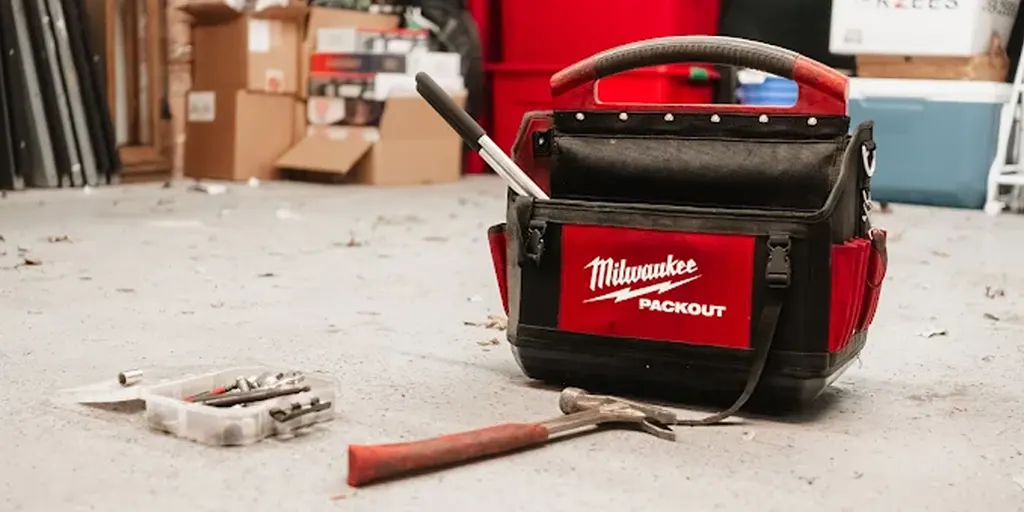
This garage door inspection checklist is written for homeowners who want clear, practical guidance without unnecessary fluff. Follow each step carefully and know when to stop and call a professional.
Important Safety Notice
1. Test the Garage Door Balance
door wears out springs, rollers, and motors much faster.
How to test garage door balance:
- Close the garage door completely.
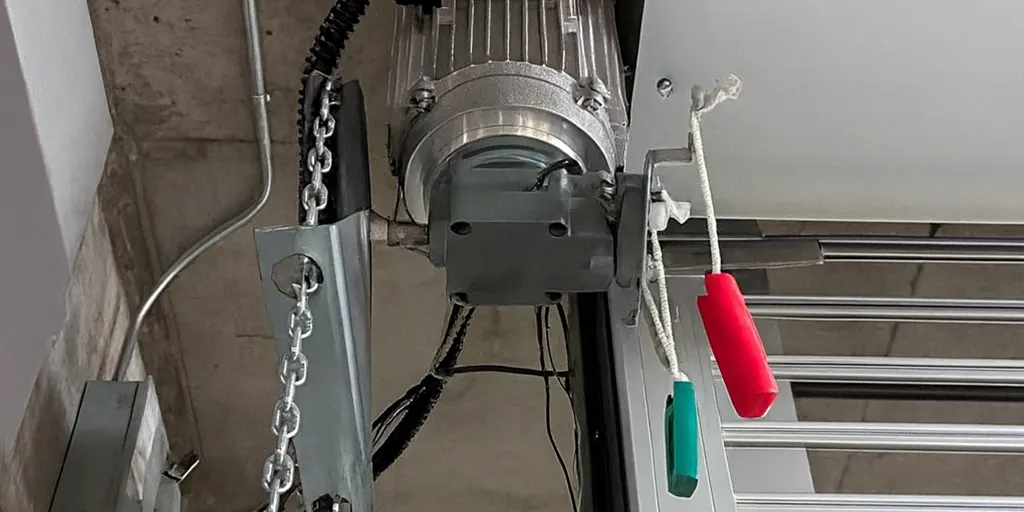
- Pull the emergency release cord to disconnect the opener.
- Manually lift the door to about waist height and release it.
If the door stays in place, it is balanced. If it moves up or falls down, the door is unbalanced and needs professional adjustment. Do not attempt to fix this yourself.
2. Inspect Garage Door Panels
Garage door panels protect your home, maintain insulation, and keep the door aligned. Texas heat and storms can cause visible and hidden damage.
Inspect panels for:
- Dents or impact marks
- Cracks or splitting
- Rust or corrosion
- Peeling or bubbling paint
- Warping from heat exposure
Small cosmetic damage may not affect performance, but structural damage should be evaluated by a professional.
3. Check Weather Stripping and Bottom Seal
Weather stripping prevents hot air, rain, dust, and pests from entering the garage. Worn seals reduce energy efficiency and allow moisture inside.
Look for:
- Cracks or brittleness
- Missing sections
- Gaps along the bottom of the door
- Water intrusion after rainfall
Replace damaged weather stripping as soon as possible to maintain proper insulation.
4. Lubricate Moving Garage Door Parts
Lubrication reduces friction, noise, and wear on moving components. This is especially important during hot Texas summers.
Use a silicone based or lithium based garage door lubricant. Do not use WD 40.
Lubricate the following parts:
- Hinges
- Metal rollers
- Springs with a light coat
- Bearings and pulleys
Avoid lubricating the tracks themselves.
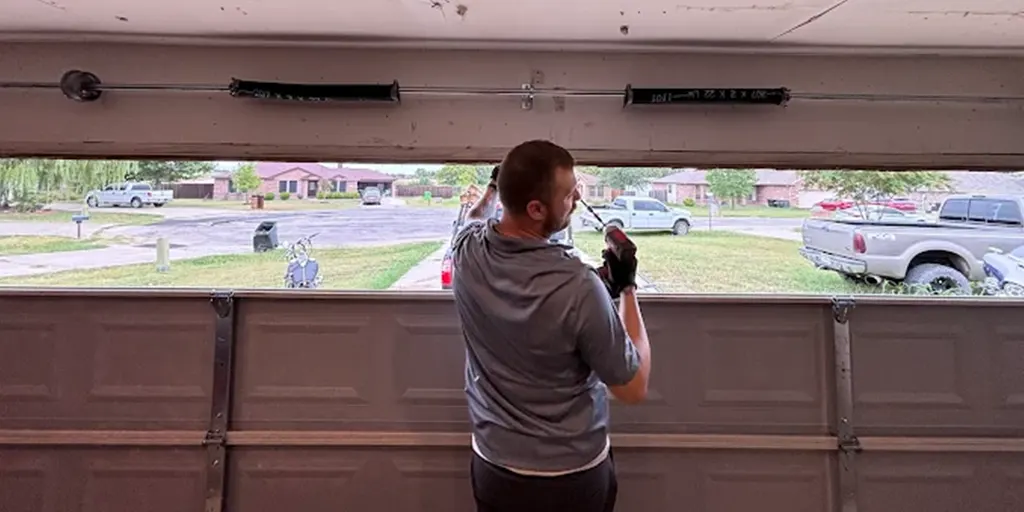
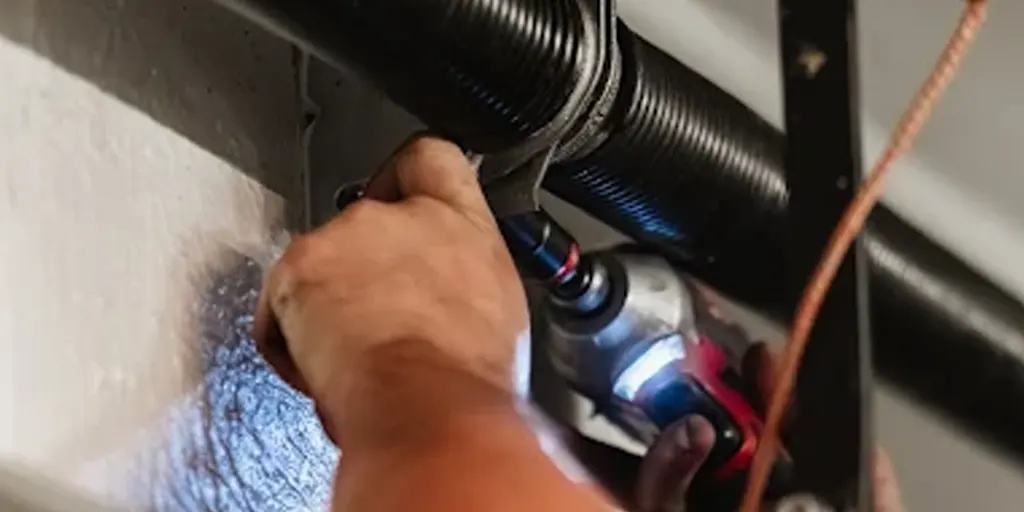
5. Inspect Springs and Lift Cables Visually
Springs and cables support the weight of the garage door. Even minor damage can lead to sudden failure.
Check for:
- Rust or corrosion
- Gaps in torsion springs
- Frayed or worn cables
- Loose cable drums
If you notice any of these issues, stop using the garage door and contact a professional immediately.
6. Inspect and Clean Garage Door Tracks
Tracks guide the garage door as it opens and closes. Misaligned or dirty tracks can cause the door to jam or derail.
Inspect tracks for:
- Bends or warping
Rust buildup - Loose bolts or brackets
- Debris inside the track
Clean tracks using mild detergent and a damp cloth, then wipe dry. Do not apply lubricant to the tracks.
7. Inspect Garage Door Rollers
Rollers help the door move smoothly along the tracks. Worn rollers increase noise and strain other components.
Inspect rollers for:
- Cracks or chips
- Excessive wobbling
- Rollers slipping out of the track
- Grinding or squealing noises
Garage door rollers typically need replacement every five to seven years, depending on usage.
8. Test the Auto Reverse Safety Feature
The auto reverse feature prevents injuries and property damage. This test should never be skipped.
Place a solid object such as a piece of wood under the door. Close the door using the opener. The door should reverse immediately upon contact. If it does not, the opener needs professional adjustment.
9. Listen for Unusual Sounds
Sounds often reveal problems before visible damage appears.
Pay attention to:
- Grinding or scraping noises
- Banging or popping sounds
- High pitched squealing
New or worsening noises usually indicate worn rollers, loose hardware, or spring issues.
How Often Should You Inspect Your Garage Door
When to Call a Garage Door Professional
Contact a professional technician if:
- The door will not open or close properly
- Springs appear broken or separated
- Cables are frayed or snapped
- The door is off track
- The opener struggles or reverses unexpectedly
A professional inspection ensures safety, correct adjustments, and long term reliability.
Professional Garage Door Inspection in Texas
Get A Free Consultation Today!
Have a garage door problem? Let us know and we’ll take care of the rest.
Table of Contents
Imperial Overhead Garage Door Repair
Provides reliable installation, repair, and maintenance services for residential and commercial garage doors, ensuring smooth operation and enhanced security.
Our Services
Copyright © 2025 Imperial OGDR. All Rights Reserved.
ImperialOGDR@gmail.com | Open 24 Hours | Sat-Sun: By appointment only