Is It Safe to Store Pool Chemicals in Your Garage? Here’s What You Should Know
If you own a swimming pool, you know that keeping it clean and balanced requires regular chemical maintenance. But where should you actually store those chemicals? Many homeowners default to storing pool chemicals in their garage—it seems convenient and out of the way. But is it actually safe?
The short answer: It depends. While garage storage is possible for pool chemicals, there are significant safety, legal, and practical considerations you need to understand. Improper storage can create fire hazards, health risks, damage to your home, and even legal liability.
At Imperial Garage Door Repair, we often encounter homeowners asking about garage safety—not just for doors, but for everything stored inside. We’ve put together this comprehensive guide to help you make an informed decision about pool chemical storage.
Why Garages Seem Like the Obvious Choice
It’s easy to understand why pool chemical storage seems like a garage solution:
- Out of sight: Chemicals aren’t cluttering your backyard or basement
- Away from living spaces: You’re not storing them in your home
- Dry environment: Most garages are relatively protected from elements
- Convenient access: Your pool supplies are close to your pool equipment
- Visible: Unlike basements or sheds, you can see what you have
The Safety Risks of Garage Storage for Pool Chemicals
1. Fire Hazard
Pool chemicals are highly reactive substances. Many are oxidizers—meaning they promote combustion and can cause fires to start more easily and burn more intensely.
The specific risks:
- Chlorine products (calcium hypochlorite, sodium hypochlorite) are strong oxidizers that can spontaneously ignite if mixed with organic materials (wood, paper, grass clippings, oils)
- Shock treatments and other oxidizers can react with gasoline, propane, paint thinners, or other common garage contents
- Accidental mixing of incompatible chemicals creates violent reactions and fires
- Temperature fluctuations in garages (especially in hot climates) can accelerate chemical reactions and increase fire risk
- Humidity can cause chemical deterioration and create unstable compounds
A pool chemical fire is extraordinarily difficult to extinguish with standard fire extinguishers. Water actually accelerates chlorine fires. This means a small accident could result in a fire you literally cannot put out.
2. Health and Respiratory Hazards
Pool chemicals release fumes—some visible, some invisible. Storage in garages creates concentration risks:
- Chlorine gas exposure: Chlorine powder and liquid products release chlorine gas, especially in warm or humid conditions. Exposure causes respiratory damage, burning throat, coughing, and difficulty breathing.
- Chemical fumes: Other pool chemicals release fumes that damage lungs and respiratory tissues
- Confined space concentration: Garages are semi-enclosed spaces where fumes accumulate. Unlike outdoor storage, there’s limited air circulation
- Family exposure: If your garage is attached to your home (most are), fumes can enter your living spaces through walls, doors, and ventilation systems
- Children and pets: Are particularly vulnerable to chemical exposure
Chronic exposure to low levels of chemical fumes can cause ongoing respiratory problems and other health issues.
3. Water Damage and Corrosion
Pool chemicals are corrosive. Storage mistakes lead to damaged materials and permanent garage damage:
- Metal corrosion: Chlorine and other oxidizers corrode metal tools, shelving, car parts, and garage door components
- Floor damage: Spilled chemicals etch concrete permanently
- Vehicle damage: Fumes and spills damage car paint, rubber, and mechanical components
- Structural damage: Chemical spills can damage wooden framing, creating structural concerns
- Rust and deterioration: Metal garage doors, hinges, and hardware corrode faster in chemical-rich environments
A significant spill can damage your garage permanently and create expensive repairs.
4. Accidental Mixing and Reactions
Even experienced pool owners sometimes make mistakes. The garage makes these mistakes catastrophic:
- Forbidden combinations: Mixing chlorine with ammonia creates toxic chloramine gas. Mixing with acids creates chlorine gas. These reactions are violent and extremely dangerous.
- Storage proximity risks: If different chemicals are stored near each other, a knocked-over container could create dangerous reactions
- Confusion during restocking: In the rush of pool maintenance season, it’s easy to grab the wrong container
- Unknown previous contents: Borrowed containers or refilled buckets might contain incompatible substances
A single mixing accident can cause explosions, fires, or toxic gas release.
5. Legal and Liability Concerns
Beyond safety, there are legal issues:
- Building codes: Many jurisdictions prohibit hazardous chemical storage in attached garages
- Homeowners insurance: Storing chemicals improperly can void coverage or cause denial of claims
- HOA restrictions: Many homeowners associations prohibit hazardous material storage in garages
- Liability exposure: If someone is harmed by chemical fumes or reactions in your home, you could face legal action
- Local regulations: Check your municipal codes—many have specific requirements for hazardous material storage
Violations can result in fines, forced removal of chemicals, code violations, and insurance issues.
So Where Should You Store Pool Chemicals?
Option 1: Outdoor Storage Shed (Best Option)
Advantages:
- Completely separate from living spaces
- Natural ventilation prevents fume accumulation
- Isolated location minimizes accidental mixing consequences
- Lower temperature fluctuation than garages
- Easily complies with building codes
Requirements:
- Shed should be at least 10 feet from your home
- Well-ventilated (multiple openings, not sealed)
- Protected from direct sunlight and weather
- Locked (if children or pets access your property)
- Shelving that’s corrosion-resistant (plastic, not metal)
- Clearly labeled containers
- Spill containment (plastic tray or absorbent materials)
- Organized so incompatible chemicals aren’t adjacent
Cost: $500-$2,000 for a quality storage shed (or build your own)
Option 2: Separate Detached Structure
Similar to a shed but can be a small garage, pool house, or storage room:
- Must be detached from your home (not attached)
- Well-ventilated Locked and secure
- Compliant with local building codes
- Away from high-traffic areas
Option 3: Professional Pool Service Storage
Some pool maintenance companies store chemicals for clients:
- Chemicals stored professionally in proper facilities
- No home storage concerns
- Technician brings chemicals during service visits
- Higher cost but maximum safety and convenience
Option 4: Small Quantities Only (If Garage Storage Is Unavoidable)
If you absolutely must store pool chemicals in your garage temporarily:
- Store minimal quantities (only what you’ll use within 1-2 weeks)
- Use a locking metal cabinet specifically designed for hazardous chemicals
- Isolate from other materials (at least 10 feet from gas, propane, paint, oil, tools)
- Ensure excellent ventilation (open door frequently, use ventilation fan)
- Store in original labeled containers (never repurpose bottles)
- Keep incompatible chemicals completely separate
- Use absorbent spill kit nearby
- Maintain cool temperatures (below 85°F if possible)
- Verify compliance with local codes and insurance requirements
This approach minimizes but doesn’t eliminate risks.
Pool Chemical Storage Best Practices (Regardless of Location)
1. Use Original Containers
Never transfer pool chemicals to unmarked, unlabeled, or repurposed containers. Original labels provide:
- Chemical identification (critical in emergencies)
- Safety warnings
- Handling instructions
- Expiration dates
- First aid information
2. Keep Chemicals Dry and Cool
- Store in a temperature-controlled environment (ideally 50-85°F)
- Keep containers away from direct sunlight
- Prevent moisture accumulation
- Use desiccant packets if humidity is high
3. Organize for Easy Identification
- Group chemicals by type
- Clearly label everything
- Keep an inventory list
- Never mix incompatible chemicals in the same area
- Use color-coded containers if helpful
4. Maintain Spill Response Capability
- Keep absorbent materials nearby (sand, kitty litter, specialized absorbent)
- Have a spill kit with gloves, eyewash, and safety equipment
- Know how to safely contain and dispose of spills
- Have emergency contact numbers posted
5. Store Away From Heat Sources
- Never store near furnaces, water heaters, or engines
- Keep away from direct sunlight
- Prevent exposure to high temperatures
6. Ensure Adequate Ventilation
- Store in well-ventilated areas
- Avoid tightly sealed spaces
- Ensure air circulation prevents fume accumulation
7. Keep Away From Children and Pets
- Store in locked containers or locked areas
- Clearly mark as hazardous
- Educate children about dangers
- Ensure family members know not to touch or mix chemicals
8. Check Expiration Dates
- Pool chemicals expire and become less effective or unstable
- Check dates before using
- Dispose of expired chemicals properly
- Don’t store chemicals indefinitely
What About Your Garage Door?
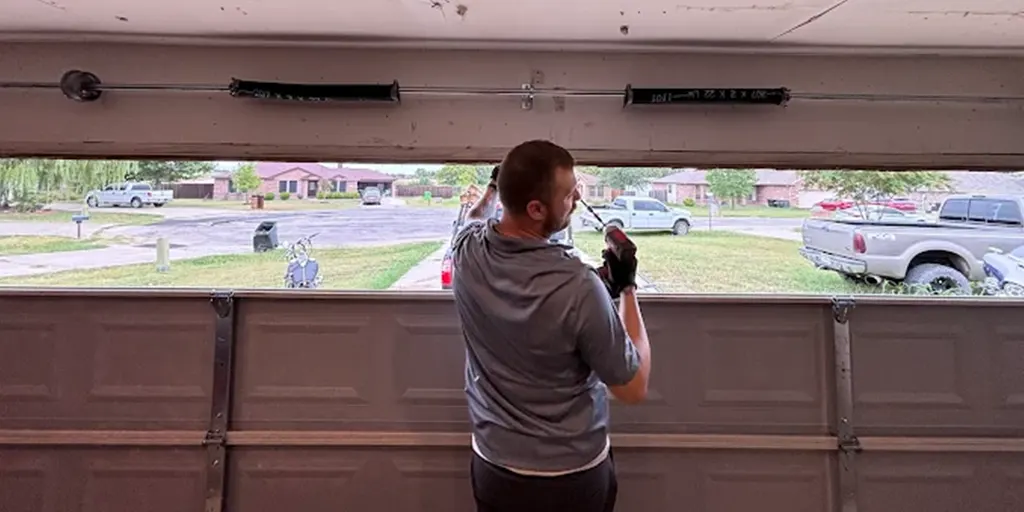
Here’s something many homeowners don’t consider: pool chemicals can damage your garage door.
Chlorine and other oxidizers corrode:
- Metal garage door panels
- Hinges and hardware
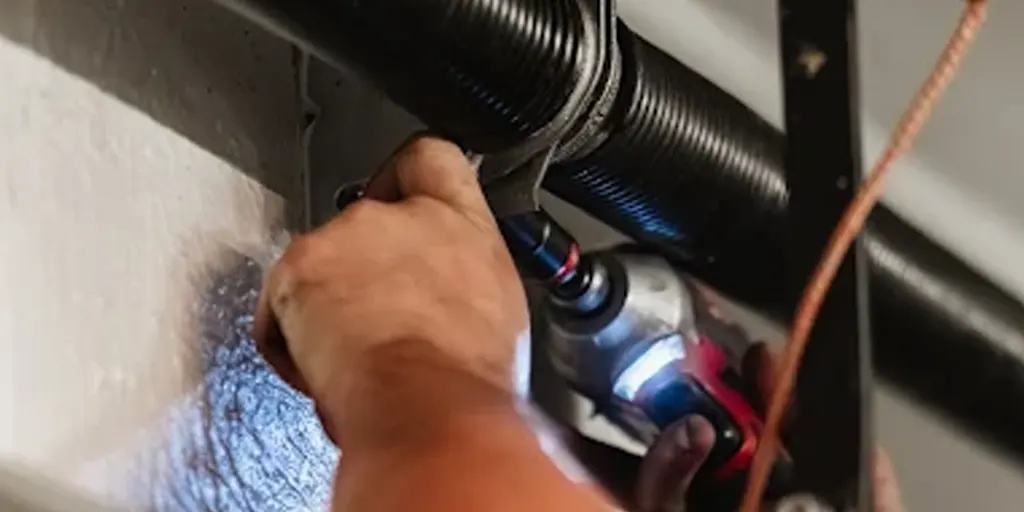
- Springs and cables Weather stripping
If you must store chemicals in your garage:
- Keep them as far from your garage door as possible
- Ensure containers are tightly sealed
- Use spill containment to prevent leaks
- Have your garage door inspected regularly for corrosion
- Apply protective coatings to metal components if necessary
Corrosion damage to garage doors can be expensive to repair and compromise safety (especially with springs and cables).
Red Flags: When NOT to Store Chemicals in Your Garage
Absolutely do not store pool chemicals in your garage if:
- Your garage is attached to your home (fire risk to your family)
- You have children or pets with garage access
- Your garage houses vehicles, gas equipment, or flammable materials
- You have a furnace, water heater, or HVAC system in your garage
- Local building codes prohibit it
- Your homeowners insurance doesn’t permit it
- You have respiratory conditions in your family
- Your garage lacks adequate ventilation You have a history of spills or accidents
- Your garage temperature regularly exceeds 85°F
If any of these apply, use an outdoor storage shed or professional storage instead.
Proper Disposal of Pool Chemicals
Eventually, you’ll need to dispose of old or excess chemicals. Never just pour them down the drain or trash:
- Contact your local waste management facility for hazardous waste disposal programs
- Ask your pool maintenance company if they accept old chemicals
- Check with retailers where you purchased chemicals—many accept returns
- Never mix chemicals before disposal (creates dangerous reactions)
- Never throw chemicals in regular trash
- Never pour down storm drains (environmental damage)
Proper disposal protects your family, community, and environment.
Questions About Pool Chemical Safety
Take Pool Chemical Storage Seriously
Your swimming pool is a great amenity, but the chemicals required to maintain it pose real hazards. Storage decisions matter. Proper storage protects your family, your home, and your community.
The safest choice? Invest in a dedicated outdoor storage shed. The cost is modest compared to potential damage, health risks, or emergency medical costs from chemical exposure or accidents.
If you must use garage storage temporarily, follow best practices rigorously: minimal quantities, original containers, locked storage, excellent ventilation, and distance from flammable materials.
Never compromise on chemical safety. Your family’s health and home safety are worth the effort of proper storage.
Need Help Inspecting Your Garage?
If you’re storing pool chemicals in your garage, Imperial Garage Door Repair recommends having your garage door system inspected regularly. Chemical fumes and moisture can accelerate corrosion of springs, cables, hinges, and tracks—potentially creating safety hazards.
Get A Free Consultation Today!
Have a garage door problem? Let us know and we’ll take care of the rest.
Table of Contents
Imperial Overhead Garage Door Repair
Provides reliable installation, repair, and maintenance services for residential and commercial garage doors, ensuring smooth operation and enhanced security.
Our Services
Offices
- Blue Ridge, TX
- 10231 Co Rd 670, Blue Ridge, TX 75424
- 469-956-6391
Copyright © 2025 Imperial OGDR. All Rights Reserved.
ImperialOGDR@gmail.com | Open 24 Hours | Sat-Sun: By appointment only